
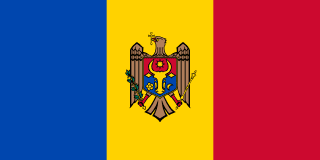
Moldova Country Facts
Land of rolling vineyards, charming villages, rich folklore, and hidden Eastern European beauty.
Quick Country Facts
| Field | Detail |
|---|---|
| Country Name | Republic of Moldova |
| Capital | Chisinau |
| Continent | Europe (Eastern Europe) |
| Population | ~2.5 million (Rank: ~144th globally) |
| Official Language | Romanian |
| Currency | Afghani (AFN) |
| Time Zone | GMT +2 (EET), GMT +3 (EEST in summer) |
| Calling Code | +373 |
Short Fact: Moldova – Europe’s Lesser-Known Gem
Moldova is a small but soulful country famous for its sprawling vineyards, centuries-old monasteries, and a unique blend of Romanian and Slavic culture.
Long Fact: Moldova – Wine, History, and Hidden Traditions
Located between Romania and Ukraine, Moldova is one of Europe’s least visited yet most intriguing countries. Known for its quiet charm, deep-rooted traditions, and natural beauty, Moldova is a paradise for travelers seeking an off-the-beaten-path destination.
The capital city, Chisinau, is a relaxed urban hub with leafy boulevards, Soviet-style architecture, vibrant parks, and a growing café culture. While small, Moldova has a powerful historical legacy dating back to the Principality of Moldavia, and was later incorporated into the Russian Empire and the Soviet Union before gaining independence in 1991.
One of Moldova’s proudest treasures is its wine culture. The country has some of the largest underground wine cellars in the world, including Cricova and Milestii Mici, the latter being a Guinness World Record holder. Moldovan wine is among Europe’s oldest, with over 5,000 years of winemaking heritage.
In rural areas, life remains rooted in agricultural traditions. Villages with colorfully painted homes and Orthodox churches offer a glimpse into Moldova’s rustic lifestyle. Religious heritage plays a key role, with sites like Orheiul Vechi and Tipova Monastery attracting spiritual and cultural tourism.
Moldova also has a disputed region, Transnistria, which functions as a breakaway state with its own government and currency, though it is internationally unrecognized.
Cuisine in Moldova reflects its geographic crossroads: mamaliga (cornmeal porridge), sarmale (stuffed cabbage), and placinta (savory pies) are staple dishes. Meals are hearty, and homemade wine is often served.
Despite its modest size, Moldova is a country of deep cultural heritage, quiet resilience, and warm-hearted people. It offers authentic experiences for curious travelers and cultural explorers alike.
FAQ: Frequently Asked Questions About Moldova
Q1. What is Moldova known for?
Ans: Moldova is known for its wine production, monasteries, rural traditions, and underground wine cellars.
Q2. What is the capital of Moldova?
Ans: The capital is Chisinau.
Q3. What language is spoken in Moldova?
Ans: Romanian is the official language.
Q4. What is the currency of Moldova?
Ans: The Moldovan Leu (MDL).
Q5. Is Moldova part of the EU?
Ans: Not yet, but Moldova is a candidate for EU membership.
Q6. Is Moldova safe to visit?
Ans: Yes, Moldova is generally safe for tourists.
Q7. What are Moldova’s famous tourist attractions?
Ans: Cricova Wine Cellars, Orheiul Vechi, Milestii Mici, Tipova Monastery.
Q8. What is Transnistria?
Ans: A breakaway region in eastern Moldova with limited international recognition.
Q9. Is Moldova a cheap travel destination?
Ans: Yes, Moldova is very budget-friendly.
Q10. What is Moldova’s traditional food?
Ans: Traditional dishes include mamaliga, sarmale, placinta, and zeama (chicken soup).