
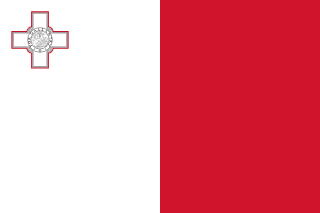
Malta Country Facts
Land of sun-kissed shores, ancient temples, Mediterranean charm, and centuries of seafaring history.
Quick Country Facts
| Field | Detail |
|---|---|
| Country Name | Republic of Malta |
| Capital | Valletta |
| Continent | Europe (Southern Europe) |
| Population | ~520,000 (Rank: ~172nd globally) |
| Official Language | Maltese, English |
| Currency | Euro (EUR) |
| Time Zone | GMT+1 (CET), GMT+2 (CEST in summer) |
| Calling Code | +356 |
Short Fact: Malta – A Tiny Island Nation with Timeless Legends
Malta dazzles with its crystal-clear waters, prehistoric temples, baroque capital, and a layered history shaped by empires and knights.
Long Fact: Malta – The Sun-Drenched Fortress of the Mediterranean
Malta, an island country in the central Mediterranean, lies between Sicily and North Africa. Despite its small size, Malta has been at the crossroads of civilizations for over 7,000 years. Its strategic location made it a prized possession for Phoenicians, Romans, Byzantines, Arabs, Normans, the Knights of St. John, and the British Empire.
The capital city, Valletta, is a UNESCO World Heritage Site and one of the smallest capitals in Europe. Built by the Knights of St. John in the 16th century, Valletta boasts golden stone buildings, baroque churches, bastions, and stunning views of the Grand Harbour. It is also home to St. John’s Co-Cathedral, which houses priceless artworks including a Caravaggio masterpiece.
Malta is composed of three main islands: Malta (main island), Gozo, and Comino. While Malta offers urban charm and historical architecture, Gozo is greener and more rural, and Comino is nearly uninhabited, known for the famous Blue Lagoon.
The country is steeped in prehistoric significance, with temples like Ħaġar Qim, Mnajdra, and Ġgantija (in Gozo) that predate even the Egyptian pyramids. These Neolithic sites are some of the oldest freestanding structures in the world.
Throughout history, Malta has been a fortress. The Great Siege of 1565, where the Knights defended the island against the Ottoman Empire, is legendary. During WWII, Malta’s bravery earned it the George Cross, which is proudly displayed on the national flag.
Today, Malta is a member of the European Union, Eurozone, Schengen Area, and Commonwealth. It is a thriving hub for tourism, iGaming, maritime, and financial services. With over 300 days of sunshine, English-speaking locals, and beautiful beaches, it’s a favorite destination for tourists and expats.
Maltese culture is a unique blend of Southern European, Arab, and British influences. The Maltese language, though Semitic in origin, is written in Latin script and contains many Italian and English loanwords.
The Maltese festa season lights up the islands each summer with fireworks, religious processions, and community celebrations. Maltese cuisine features dishes like rabbit stew (fenek), pastizzi, kapunata, and ftira, alongside fresh seafood and local wines.
From ancient ruins and knightly fortresses to snorkeling spots and sunbathing bays, Malta offers a Mediterranean experience unlike any other.
FAQ: Frequently Asked Questions About Malta
Q1. Where is Malta located?
Ans: Malta is in the central Mediterranean Sea, south of Italy and north of Libya.
Q2. What is Malta known for?
Ans: Malta is known for its historic architecture, ancient temples, crystal-clear waters, and the Knights of St. John.
Q3. What is the capital of Malta?
Ans: Valletta is the capital city — a small but historically rich UNESCO World Heritage Site.
Q4. What languages are spoken in Malta?
Ans: Maltese and English are both official languages.
Q5. What currency does Malta use?
Ans: Malta uses the Euro (EUR) as its official currency.
Q6. Is Malta part of the European Union?
Ans: Yes, Malta has been a member of the EU since 2004.
Q7. Is Malta safe for travelers?
Ans: Yes, Malta is considered very safe for tourists with low crime rates.
Q8. What are the top attractions in Malta?
Ans: Blue Lagoon, Mdina, Ħaġar Qim Temples, St. John’s Co-Cathedral, Valletta, Gozo Island, and Popeye Village.
Q9. What traditional food can you try in Malta?
Ans: Rabbit stew, pastizzi, fish soup (aljotta), ftira bread, and Maltese wine.
Q10. When is the best time to visit Malta?
Ans: Spring (April–June) and autumn (September–October) offer great weather without the summer crowds.