
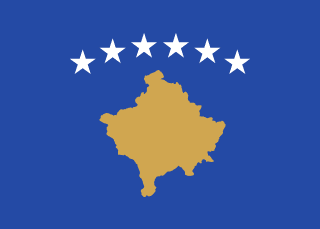
Kosovo Country Facts
Land of rugged mountains, resilient spirit, Ottoman-era charm, and a young heart full of European hope.
Quick Country Facts
| Field | Detail |
|---|---|
| Country Name | Republic of Kosovo |
| Capital | Pristina |
| Continent | Europe (Southeastern Europe) |
| Population | ~1.8 million (Rank: ~150th globally) |
| Official Language | Albanian, Serbian |
| Currency | Euro (EUR) |
| Time Zone | GMT+1 (CET), GMT+2 (CEST in summer) |
| Calling Code | +383 |
Short Fact: Kosovo – A Young Nation with Ancient Roots
Kosovo is Europe’s youngest country, blending ancient Balkan traditions, natural beauty, and a thriving cultural revival in the heart of the Balkans.
Long Fact: Kosovo – Europe’s Newest Star with Centuries of History
Kosovo, a landlocked territory in Southeastern Europe, declared its independence from Serbia in 2008, making it one of the world’s youngest countries. Despite its recent political birth, Kosovo’s history stretches back centuries, with a cultural legacy influenced by the Illyrians, Romans, Byzantines, and Ottomans.
The capital city, Pristina, is Kosovo’s political and cultural center, home to bustling cafés, mosques, and institutions of a growing economy. It is known for the Newborn Monument, symbolizing the nation’s declaration of independence, and the National Library, a striking example of unique Balkan architecture.
While Kosovo is not yet a United Nations member state, it is recognized by over 100 countries and has forged strong international relationships. It uses the Euro (EUR) as its currency and has aspirations to join the European Union and NATO in the future.
Kosovo’s demographics are predominantly ethnic Albanian, with minority communities including Serbs, Bosniaks, Turks, and Roma. Both Albanian and Serbian are official languages, reflecting its multiethnic character. Religion in Kosovo is diverse, with a Muslim majority and a significant Christian minority.
The country’s terrain is mountainous and scenic, with the Sharr Mountains, Accursed Mountains, and valleys ideal for hiking, skiing, and ecotourism. The Brezovica ski resort is one of the most visited destinations during winter.
Historically, Kosovo holds major significance in Serbian and Albanian narratives. The Battle of Kosovo (1389) marked a turning point in Balkan history. The region was later part of the Ottoman Empire for centuries and then Yugoslavia in the 20th century. Kosovo’s 1999 war, resulting in NATO intervention, led to a long UN administration before its declaration of independence.
Today, Kosovo is a vibrant, youthful nation with a large under-30 population driving change in tech, arts, and entrepreneurship. The country is seeing a cultural revival with music festivals, digital startups, and a booming café culture.
Tourism is slowly growing, with attractions such as the Patriarchate of Peć, Gračanica Monastery (UNESCO sites), Prizren’s old town, and nature parks drawing adventurous travelers.
Kosovo stands as a symbol of resilience, determination, and the belief in a peaceful and prosperous European future.
FAQ: Frequently Asked Questions About Kosovo
Q1. Is Kosovo a country?
Ans: Yes, Kosovo declared independence in 2008 and is recognized by over 100 countries, though not all, including Serbia and some UN members.
Q2. What is the capital of Kosovo?
Ans: Pristina is the capital and largest city of Kosovo.
Q3. What currency is used in Kosovo?
Ans: Kosovo uses the Euro (EUR) as its official currency.
Q4. What languages are spoken in Kosovo?
Ans: Albanian and Serbian are the official languages; Bosnian, Turkish, and Roma languages are also spoken.
Q5. Is Kosovo safe for tourists?
Ans: Yes, Kosovo is considered safe and welcoming for tourists, with low crime levels and friendly locals.
Q6. What is Kosovo known for?
Ans: Kosovo is known for its rich cultural heritage, Ottoman architecture, vibrant youth culture, and stunning mountain landscapes.
Q7. Do I need a visa to visit Kosovo?
Ans: Citizens of the EU, UK, US, and many other countries can enter Kosovo visa-free for up to 90 days.
Q8. What are Kosovo’s main attractions?
Ans: Prizren old town, Rugova Canyon, Patriarchate of Peć, Gračanica Monastery, Sharr Mountains, and Brezovica resort.
Q9. What religion is practiced in Kosovo?
Ans: Islam is the majority religion, but Christianity (especially Serbian Orthodox) is also present.
Q10. Is Kosovo part of the EU?
Ans: No, Kosovo is not an EU member yet but aspires to join in the future.