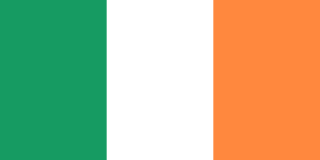
Ireland Country Facts
Land of rolling green hills, ancient castles, lyrical legends, warm pubs, and soulful Celtic spirit.
Quick Country Facts
| Field | Detail |
|---|---|
| Country Name | Ireland (Éire) |
| Capital | Dublin |
| Continent | Europe (Western Europe) |
| Population | ~5.1 million (Rank: ~124th globally) |
| Official Language | Irish, English |
| Currency | Euro (EUR) |
| Time Zone | GMT (WET), GMT+1 (WEST in summer) |
| Calling Code | +353 |
Short Fact: Ireland – Emerald Isle of Stories, Songs, and Stone
Ireland enchants with lush landscapes, a literary legacy, friendly people, and a history that echoes through every stone wall and Celtic cross.
Long Fact: Ireland – The Emerald Isle of Culture, Nature, and Heritage
Ireland, often affectionately called the Emerald Isle, is a picturesque island nation located to the northwest of continental Europe. With its verdant countryside, dramatic coastlines, and cultural depth, Ireland is a land of myth, music, and resilience.
The capital city, Dublin, sits on the eastern coast and serves as the political, economic, and cultural heart of the country. It’s a vibrant city known for historic landmarks like Trinity College, Dublin Castle, and the Guinness Storehouse, as well as its modern tech sector often dubbed the “Silicon Docks” due to its many multinational HQs.
Ireland has two official languages: Irish (Gaeilge) and English, though Irish is mainly spoken in the Gaeltacht (Irish-speaking regions). The nation has a strong oral tradition, and its storytelling heritage is seen in global literary icons such as James Joyce, W.B. Yeats, and Samuel Beckett.
Historically, Ireland has experienced waves of invasion, colonization, and struggle — from Viking raids to centuries of British rule. The country gained independence in 1922, forming the Republic of Ireland, distinct from Northern Ireland, which remains part of the United Kingdom.
Modern Ireland is a progressive, democratic republic that remains deeply rooted in its cultural traditions. Festivals like St. Patrick’s Day, Galway Arts Festival, and Bloomsday celebrate the island’s unique identity. Traditional Irish music, dance (like Riverdance), and pub culture continue to thrive alongside contemporary innovation.
The Irish landscape is a treasure trove of natural wonders — from the Cliffs of Moher and Ring of Kerry to the Giant’s Causeway (in Northern Ireland) and the Wild Atlantic Way. Rolling hills, pristine lakes, and ancient stone ruins dot the countryside, inviting travelers to slow down and soak in the scenery.
Ireland’s cuisine has evolved from simple, hearty dishes to a modern food scene rooted in farm-to-table freshness. Classics like Irish stew, soda bread, and boxty are still widely loved.
Ireland is also one of the safest and friendliest countries to visit, consistently ranking high in global peace and happiness indexes.
Whether you’re drawn by the call of history, the beauty of its green landscapes, or the magic of Celtic myth, Ireland offers an unforgettable experience filled with heart, humor, and hospitality.
FAQ: Frequently Asked Questions About Ireland
Q1. What is Ireland best known for?
Ans: Ireland is famous for its green landscapes, pubs, folklore, St. Patrick’s Day, and literary giants like James Joyce and Yeats.
Q2. What is the capital of Ireland?
Ans: Dublin is the capital and largest city of Ireland.
Q3. Is Ireland part of the UK?
Ans: No, the Republic of Ireland is an independent country. However, Northern Ireland is part of the United Kingdom.
Q4. What language is spoken in Ireland?
Ans: English is widely spoken; Irish (Gaeilge) is the first official language but spoken mostly in specific regions.
Q5. What currency does Ireland use?
Ans: Ireland uses the Euro (EUR) as its official currency.
Q6. Is Ireland a safe country for tourists?
Ans: Yes, Ireland is considered very safe for tourists and solo travelers.
Q7. What are the top attractions in Ireland?
Ans: Cliffs of Moher, Dublin, Ring of Kerry, Wild Atlantic Way, Blarney Castle, and Aran Islands.
Q8. What is traditional Irish food?
Ans: Irish stew, colcannon, soda bread, boxty, and seafood are staples of Irish cuisine.
Q9. What is the best time to visit Ireland?
Ans: Late spring (May–June) and early autumn (September) offer pleasant weather and fewer crowds.
Q10. Does it rain a lot in Ireland?
Ans: Yes, Ireland has a mild and wet climate with frequent rainfall, contributing to its lush green landscape.